Navigation · The Swink Group
30 minutes · No pitch · No corporate theater
This wasn't a career pivot. It was a pattern I eventually gave a name.
I Didn't Build TSG Because I Wanted to Become a Consultant. I Got Really Damn Good at Fixing Messes.
What Kept Happening
I kept ending up inside growing businesses where good people were working hard inside systems that made everything harder than it needed to be. Different company. Different industry. Different personalities. Same basic question: what the hell is actually going on here, and why is the business making good work so difficult?
Origin
The pattern that became TSG.
Get Inside
01See how the business actually works.
- Not the org chart.
- Not the SOP nobody follows.
- The real operation.
Find the Pattern
02Figure out why the same friction keeps returning.
Ownership. Workflow. Decisions. Systems. People. Usually more than one.
Make It Better
03Build something people can actually use.
Clearer responsibility. Better flow. Useful systems. Less unnecessary friction.
Eventually
04That work became The Swink Group.
A business built around helping founder-led companies understand why they're harder to run than they should be — and doing something useful about it.
What TSG Really Is
A long-term operational partner for founder-led businesses.
TSG exists for businesses that have grown beyond “everybody just figures it out” but don't need another layer of corporate theater either. We help founders turn scattered decisions, messy workflows, inconsistent client delivery, and founder-dependent operations into something the business can actually run on.
01
Not
A generic consulting shop selling frameworks.
02
Is
Experienced operational judgment applied to the business in front of us.
03
Goal
Make the company easier to understand, operate, and grow.
The Swink Group · Built From the Operator's Seat
See the mess.Find the pattern.Build the better way.
Meet the Founder
The title came later. The work came first.
Long before there was The Swink Group, I was already doing the work that eventually became it: getting inside messy operations, figuring out why reality didn't match the process, and helping people make the business work better. I just didn't call it consulting yet.
Founder
Jeremy Swink
The Swink Group
Worked In
Operations & Leadership
Worked With
Teams & Clients
Built
Systems & Workflows
Usually Found
Somewhere in the Mess
Hey, I'm Jeremy.
I learned operations from inside the business.
- Not from the sidelines.
- Not from a framework deck.
- From doing the work.
I've spent 15+ years working inside businesses where things didn't always operate the way the org chart, SOP, or leadership meeting said they did.
I've managed teams, worked directly with clients, built systems, cleaned up processes, untangled CRMs, and dealt with the weird edge cases nobody thought about when the process was created.
Somewhere along the way, I became the person people brought the messy stuff to.
- A client fell through the cracks.
- A handoff broke.
- Nobody knew who owned something.
- A process worked perfectly until the one person who understood it wasn't there.
- The CRM said one thing, the team said another, and somebody needed to figure out what the hell was actually happening.
What I learned is that most operational problems don't live neatly inside one department. People, process, leadership, client experience, technology, capacity, and decision-making all collide with each other. Fixing one piece without understanding the rest can easily create three new problems somewhere else.
That's why I don't approach a business with a favorite framework looking for somewhere to install it. I want to understand the business that's actually in front of me.
- What works.
- What doesn't.
- Where reality differs from what leadership believes is happening.
- And what change would genuinely make the company easier to run.
The Simple Version
“I don't need your business to look perfect before I get involved. If it were already perfect, you probably wouldn't need me.”
What the Work Taught Me
Lessons from the operator's seat.
01
Reality
The real process matters more than the process somebody thinks exists.
02
People
Good people can look like the problem when the operation keeps setting them up to fail.
03
Simplicity
The best operating solution is usually the one people can actually understand and use.
Why That Matters
I don't stand outside the business and tell operators how operations should work.
My perspective was built by being inside the mess: dealing with clients, managing people, working inside imperfect systems, solving handoff failures, building processes, answering the strange questions, and figuring out what happens when reality refuses to follow the plan. That's the perspective I bring into The Swink Group.
The Background
I've seen the business from more than one seat.
One of the easiest ways to misunderstand a business is to look at it through only one function. Operations sees one thing. Sales sees another. Clients experience another. Founders carry something else entirely. My background has put me close enough to several sides of the business to understand how those realities collide.
Years
Across operations, Customer Success, leadership, systems, clients, and business.
Years as an Owner
Building and running my own event business before TSG existed.
What Matters More Than the Number
The years put me in enough different seats to see how the same business can look completely different depending on who's sitting in the chair.
Same Business · Different Seats
Each perspective exposes something different.
At the table
One Business
01 · The Operator's Seat
Operations & Execution
I've worked inside the processes people actually use — not just the versions written in the SOP. That means dealing with bottlenecks, ownership gaps, failed handoffs, execution problems, competing priorities, and the weird exceptions that make a clean process diagram fall apart.
What This Teaches You
The real workflow is whatever people actually do when the work arrives.
02 · The Client Seat
Customer Success & Client Delivery
I've spent years close to customers: managing relationships, improving onboarding, solving escalations, strengthening delivery, and seeing what happens when the internal operation doesn't match the experience leadership thinks the client is getting.
What This Teaches You
The customer experiences one company — not your departments.
03 · The Owner's Seat
Founder Experience
I've built businesses too. I know what it's like when sales, clients, delivery, admin, money, systems, decisions, employees, and the completely unexpected problem all eventually land on one desk. Yours.
What This Teaches You
The founder often feels the operational problem long before the company can explain it.
04 · The Systems Seat
CRM, Systems & Automation
I like technology when it makes the company easier to run. I don't care how impressive an automation looks if the underlying process makes no damn sense. Figure out what should happen first. Then make the technology support it.
What This Teaches You
Technology should reflect the operation — not force the operation to fake reality.
Why That Matters
Business problems rarely respect department boundaries.
A Customer Success problem may begin in sales. A systems problem may really be a workflow problem. A people problem may actually be unclear ownership. A founder-capacity problem may be caused by decisions that never should have required the founder in the first place. Looking at the business from multiple seats makes it much harder to mistake the place where the problem appears for the place where the problem actually lives.
Founder sees
Pressure, decisions, risk, and everything rolling uphill.
Team sees
Workload, expectations, tools, ownership, and daily friction.
Client sees
One company that either delivers clearly or doesn't.
Systems show
Whether the infrastructure matches what everybody thinks is happening.
Founder · Operator · Customer Success · Systems
Same company. Different truths. Better decisions when you can see all of them.
Why We Exist
Growth doesn't create every weakness. It puts enough weight on the business to reveal it.
A founder builds something that works. Clients arrive. The team grows. Revenue climbs. And for a while, everybody keeps making it happen. The problem is that the way a company operates at one size often isn't strong enough to carry the company it eventually becomes.
The Growth Load Test
Business complexity rises faster than informal structure.
The founder can hold most of it.
Decisions live in one head. Communication is direct. Everybody can ask the person who knows.
The team learns to improvise.
People create shortcuts, side systems, memory-based processes, and unofficial ways of getting things done.
The workarounds start fighting each other.
More clients, more people, more tools, more exceptions, more decisions, and less shared context.
The business needs a better way to run.
What used to feel flexible now feels chaotic. Growth has outgrown the informal operating model.
What Starts Showing Up
The company doesn't suddenly become bad. The cracks just become harder to hide.
Decisions
The founder slowly becomes the approval department.
Handoffs
Context disappears every time work changes hands.
Process
Workarounds become the unofficial operating system.
Systems
The CRM stops telling the same story as the people.
Clients
Inconsistency becomes visible outside the company.
Where TSG Fits
The business grew. The operating structure needs to catch up.
That's why The Swink Group exists. Not to add another layer of corporate bullshit, and not to replace everything that got the company this far.
We help founders understand where growth has exposed fragility, determine what is actually causing the friction, and build enough structure for the business to operate at the size it has become. Keep what works. Fix what doesn't. Build what the next stage actually requires.
The Working Standard
More structure only when structure earns its place.
Understand before changing.
First understand how the business actually operates — including the weird unofficial version nobody wrote down. Reality comes before recommendations.
Fix the cause, not today's fire.
If the same problem keeps returning in different clothes, we trace the pattern until we understand what keeps making it possible.
Build for the people doing the work.
Processes, systems, documentation, and automation only matter if they make sense to the people expected to use them.
Leave the company easier to run.
Clearer ownership. Cleaner handoffs. Better visibility. Fewer decisions dependent on ancient founder knowledge just to figure out what happens next.
Why We Exist
Growth changed the business. The way it runs has to change with it.
The goal isn't to turn a founder-led company into a bureaucracy. It's to give the company enough operational structure that growth stops depending on heroics, memory, workarounds, and the founder personally holding everything together. Structure should support the business — not suffocate it.
Growth · Complexity · Structure · Capacity
Build the operating system for the business you actually became.
Beyond the Business
The work matters. So does the life I'm building around it.
There's an actual person behind The Swink Group. I'm a husband, a dad of three, an entrepreneur, and an American living in the Philippines with my family. My life doesn't fit neatly inside a corporate bio — and I'm perfectly fine with that.
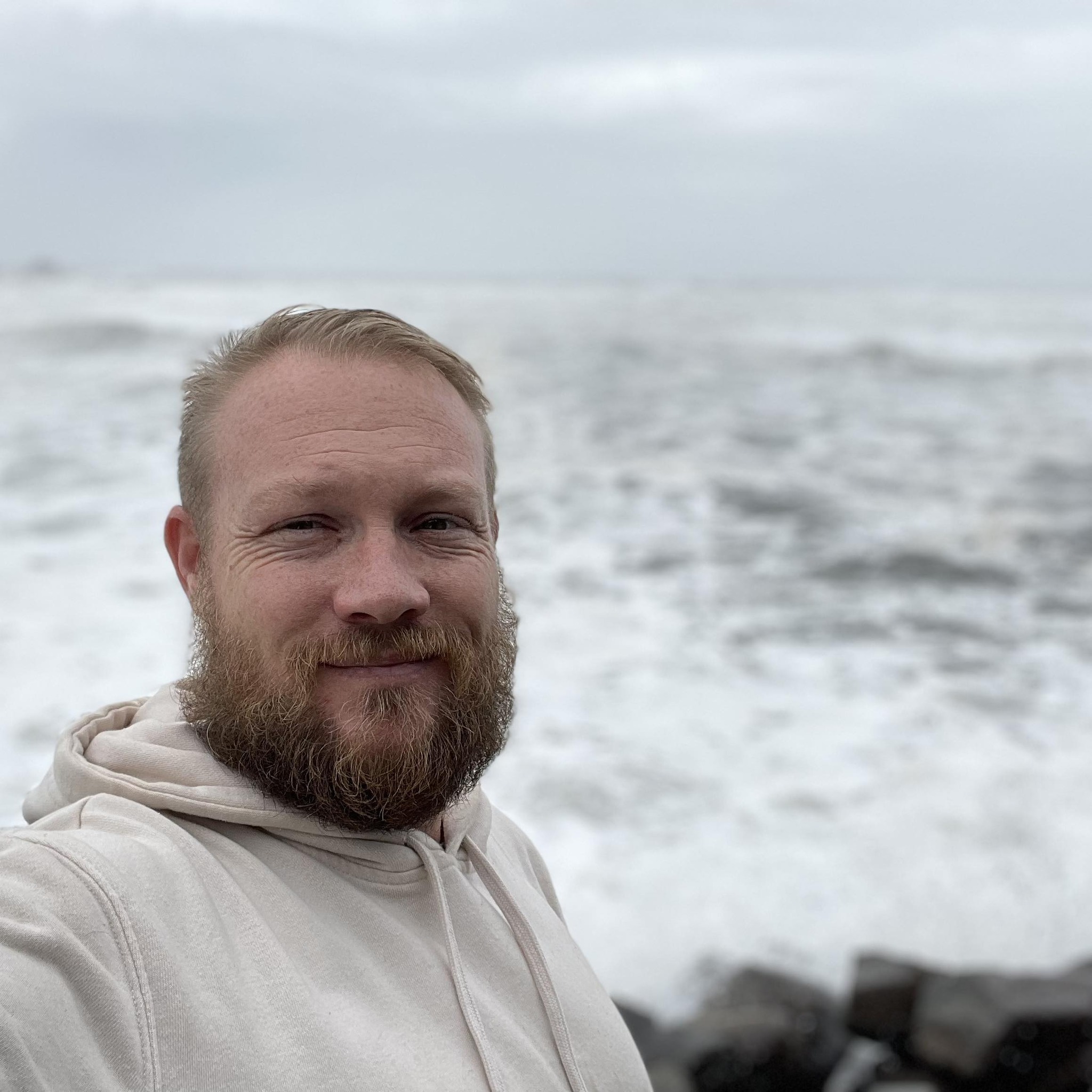
Life Outside TSG
Husband. Dad. Business owner.
Currently building a life with my family in the Philippines.
The Personal Side
Business is part of my life. It isn't the whole damn thing.
Probably the Simplest Description of Me
- Pay attention.
- Take ownership.
- Solve the problem in front of you.
- Don't make it more complicated than it needs to be.
I've worked inside companies, built businesses, led teams, supported clients, created systems, dealt with things going sideways, and learned plenty of lessons the hard way.
But the older I get, the clearer it becomes that the point of building something isn't just to stay permanently busy building it.
My family is a huge part of why I care about building businesses that operate well. I don't think success should require the founder to spend every waking hour acting as the emergency department for a company they created.
Living in the Philippines has also given my life a perspective I probably wouldn't have gotten by staying inside one familiar bubble. Different culture. Different pace. Different ways of solving problems. It reminds me pretty regularly that there is almost never only one legitimate way to do something.
Before TSG
I have spent 10+ years running a wedding and event entertainment business. Weddings are a pretty unforgiving operating environment. There is no meaningful version of
“we'll fix the bride's problem next Thursday.”
The details matter, the experience matters, and when something unexpected happens, somebody has to own it and figure it out.
A Little Context
The parts that don't fit on a résumé.
Family keeps the priorities straight.
I'm a husband and father before I'm a consultant. Business matters, but it exists inside a much bigger life.
Home is in the Philippines.
I'm American, but I live in the Philippines with my family while working remotely with businesses. Turns out geography matters a lot less when the work is about understanding how a company actually operates.
I still like practical over impressive.
Whether it's business or life, I tend to prefer things that work over things that merely look sophisticated from twenty feet away.
Personal Operating Code
Nothing revolutionary. Just four things that hold up pretty well in real life.
Pay Attention
Most useful signals show up before the crisis does.
Take Ownership
Somebody eventually has to be responsible for moving things forward.
Solve the Problem
Understanding matters. Eventually something still has to get better.
Keep It Simple
Complexity doesn't automatically make an answer more intelligent.
Off the Clock
Most of the time, I'm just Dad.
When I'm not working, I'm usually spending time with my family. With three kids, that occasionally resembles its own small operating environment — except nobody has documented the process, priorities change every six minutes, and stakeholder alignment is questionable at best.
- Documented processNone
- Priority changesEvery 6 minutes
- Stakeholder alignmentQuestionable
- Founder roleDad
Jeremy Swink · Founder, The Swink Group
Build good businesses. Build a good life too.
Work With The Swink Group · No Mystery Consultant
Now you know who I am. Tell me what's going on.
You know who's on the other side of the conversation now.
Your Turn
- You don't need to know exactly what's broken before we talk.
- You don't need the right terminology.
- You don't need a polished explanation.
Tell me what's happening inside the business, what keeps falling through the cracks, what keeps landing back on your desk, or what just feels way harder than it should. That's enough for a useful conversation.
From Your Side of the Table
Perfectly acceptable ways to start the conversation.
Pull Up a Chair
Bring the messy version. We'll make sense of it together.
The first conversation is simply a chance to understand what's happening, what you've already tried, and whether The Swink Group is actually the right kind of help. Maybe it turns into work together. Maybe it doesn't. Either way, the conversation should still be useful.
“Jeremy, here's the thing in my business that's driving me nuts...”
30 minutes · No pitch · No pressure · No corporate theater
From Me
“If I don't think you need me, I'll tell you. I'd rather have an honest conversation than manufacture a project.”
Jeremy Swink · Founder, The Swink Group
Real business. Real problems. Useful conversations.